


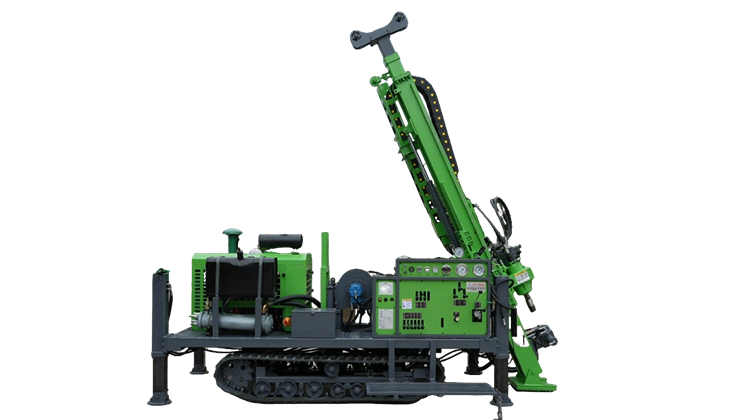

Exploration Drilling Rig: Complete Guide for Geological and Core Drilling
2026-03-25


An exploration drilling rig is specialized equipment used for geological exploration, mineral exploration, and core sampling. It is widely used in mining, geology, construction investigation, and environmental drilling projects. Choosing the right exploration drilling rig can improve drilling efficiency, reduce operating costs, and ensure accurate geological data collection.
This article explains the main rig types and selection factors. Buyers ready to compare existing equipment should use the exploration drilling rig category; this guide remains informational.
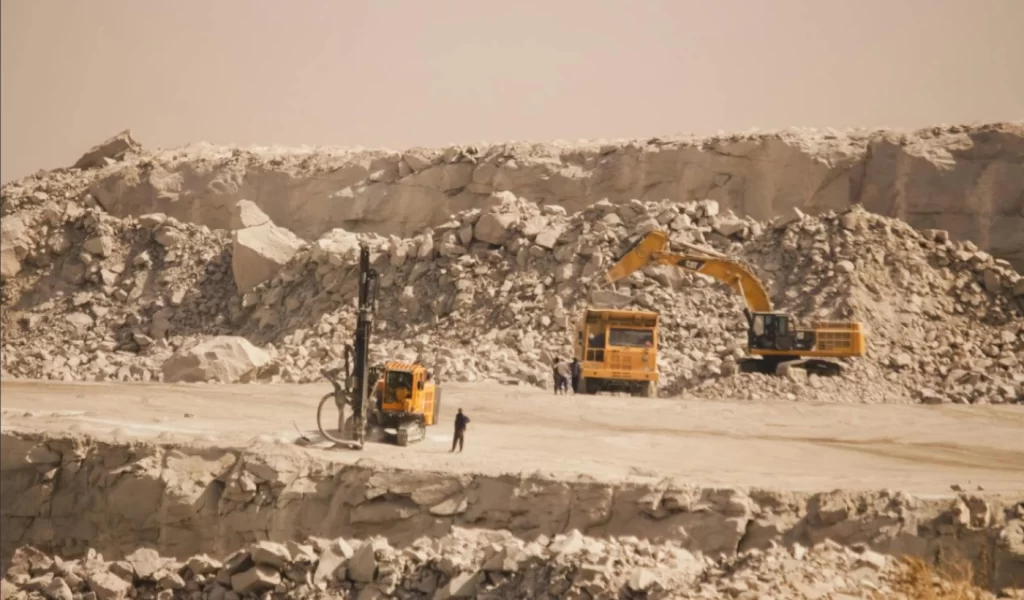
What Is an Exploration Drilling Rig?
An exploration drilling rig is a machine designed to drill into the ground to collect rock or soil samples and analyze underground resources. These rigs are commonly used in:
- Mineral exploration
- Geological investigation
- Mining exploration
- Soil sampling
- Construction site investigation
- Environmental drilling
Most exploration drilling rigs use core drilling methods to obtain cylindrical rock samples for geological analysis.
Types of Exploration Drilling Rigs
There are several types of exploration drilling rigs depending on mobility and drilling methods.
1. Portable Exploration Drilling Rig
Portable rigs are lightweight and easy to transport, making them ideal for remote areas and mountainous regions.
Advantages:
- Easy transportation
- Suitable for shallow and medium drilling
- Low operating cost
2. Crawler Exploration Drilling Rig
Crawler rigs are mounted on tracks and can work on rough terrain.
Advantages:
- Strong climbing ability
- Suitable for complex terrain
- Stable drilling performance
3. Truck-Mounted Exploration Drilling Rig
Truck-mounted rigs are suitable for projects that require frequent movement between drilling locations.
Advantages:
- Fast relocation
- High efficiency
- Suitable for large exploration projects
Core Drilling vs Exploration Drilling
Many people confuse core drilling rigs and exploration drilling rigs, but they are closely related.
| Drilling Type | Purpose |
| Core Drilling | Collect rock core samples |
| Exploration Drilling | Geological investigation |
| Water Well Drilling | Drill water wells |
| DTH Drilling | Hard rock drilling |
In many cases, an exploration drilling rig is also called a core drilling rig because it is used to collect core samples.
Key Specifications of an Exploration Drilling Rig
When choosing an exploration drilling rig, you should consider the following parameters:
- Drilling depth
- Drilling diameter
- Core diameter
- Drill rod size
- Power type (diesel or hydraulic)
- Rig weight
- Feed stroke
- Rotation torque
These specifications determine the drilling capacity and performance of the rig.
Advantages of Full Hydraulic Exploration Drilling Rig
Modern exploration drilling rigs are usually full hydraulic rigs.
Main advantages:
- Easy operation
- High drilling efficiency
- Stable drilling performance
- Lower labor cost
- Suitable for deep hole drilling
- Suitable for rock core drilling
Because of these advantages, full hydraulic core drilling rigs are widely used in geological exploration and mining projects.
Applications of Exploration Drilling Rigs
Exploration drilling rigs are widely used in many industries:
- Mining exploration
- Geological exploration
- Gold and mineral exploration
- Soil investigation
- Construction engineering investigation
- Environmental monitoring drilling
They are essential equipment for underground resource exploration and geological research.
Conclusion
An exploration drilling rig is important equipment for geological investigation, mining exploration, and core drilling projects. When choosing a drilling rig, it is important to consider drilling depth, terrain conditions, drilling method, and machine type.
Compare full hydraulic core drilling rigs and other existing exploration categories against the sampling program, site access and drilling method. For application planning, see the mining exploration solution, or send the project requirements for a commercial shortlist.